Outdoor walkways are more than just pathways; they are essential elements that enhance the beauty and functionality of any outdoor space. These carefully constructed walkways not only beautify your property but also promote safety, ensuring easy navigation for everyone. With the right design and materials, outdoor walkways can improve accessibility, making them a vital consideration for homeowners and landscapers alike.
By exploring various materials—such as concrete, pavers, and natural stone—and understanding their pros and cons, you can create a stylish yet durable walkway that complements your outdoor environment. Thoughtful design considerations, including width and layout, ensure that your walkways blend harmoniously with the surrounding landscape while also providing the necessary illumination for safety and ambiance.
Importance of Outdoor Walkways
Outdoor walkways are essential features that not only enhance the aesthetics of a property but also serve critical functional purposes. A well-designed walkway can transform an ordinary outdoor space into an inviting and visually appealing area. Beyond aesthetics, safety is a paramount consideration; well-constructed pathways minimize the risk of slips and falls, thereby ensuring a secure environment for all users. Furthermore, these walkways improve accessibility, allowing everyone—from children to the elderly—to navigate outdoor spaces with ease.
Role in Enhancing Property Aesthetics
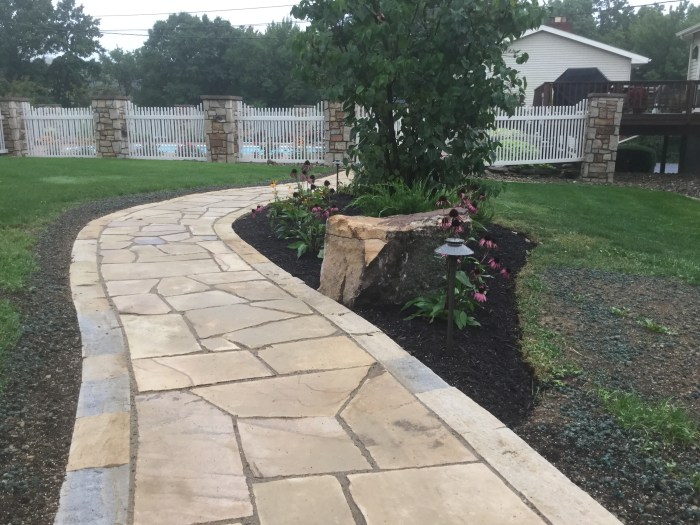
A beautifully designed outdoor walkway can significantly improve the visual appeal of any property. By choosing complementary materials and styles, homeowners can create a seamless transition between different outdoor areas. The choice of color, texture, and layout plays a crucial role in establishing an inviting atmosphere.
Safety Benefits of Well-Constructed Walkways
Properly constructed walkways contribute to the safety of outdoor spaces. They provide a firm and stable surface to walk on, reducing the likelihood of accidents. Features such as slip-resistant materials and proper drainage can further enhance safety, ensuring that pathways remain usable even during adverse weather conditions.
Improved Accessibility for All Users
Outdoor walkways are vital for enhancing accessibility. They allow individuals with mobility challenges to navigate gardens, parks, and yards without obstruction. A well-planned walkway ensures that everyone, regardless of physical ability, can enjoy outdoor spaces comfortably.
Materials for Outdoor Walkways
Selecting the right materials for outdoor walkways is crucial to their durability and aesthetic appeal. Various options available include concrete, pavers, and gravel, each with its own benefits and drawbacks. Understanding these materials helps homeowners make informed decisions based on their specific needs and preferences.
Comparison of Different Materials
Different materials offer unique advantages and disadvantages:
- Concrete: Durable and low maintenance but can crack over time.
- Pavers: Aesthetically pleasing and available in various designs; however, they can shift and become uneven.
- Gravel: Inexpensive and excellent for drainage, yet it can be difficult to walk on and may require regular replenishment.
Natural Stone vs. Man-Made Materials, Outdoor walkways
When choosing between natural stone and man-made materials, consider the following:
- Natural Stone: Offers timeless beauty and durability; however, it can be more expensive and requires careful installation.
- Man-Made Materials: Typically more affordable and easier to install, but may lack the unique character of natural stones.
Sustainability Options for Eco-Friendly Walkway Materials
Eco-friendly walkway materials are gaining popularity. Options include recycled concrete, permeable pavers, and reclaimed wood. These materials not only reduce environmental impact but also contribute to sustainable landscaping practices.
Design Considerations
Designing an outdoor walkway involves several key considerations to ensure functionality and aesthetic appeal. From layout to lighting, each element plays a vital role in how well a walkway integrates into the overall landscape.
Key Factors to Consider When Designing
When planning an outdoor walkway, consider the following elements:
- Width: Ensure adequate space for foot traffic and accessibility, typically a minimum of 3 feet.
- Layout: Choose a layout that complements the natural flow of the area while providing clear guidance.
- Slope: Maintain a gentle slope to facilitate drainage and accessibility.
Integrating Walkways into Existing Landscaping
To effectively incorporate walkways into existing landscaping, plan for features such as curves that follow natural contours, and ensure that the materials harmonize with surrounding plants and structures. This creates a cohesive look that blends seamlessly with the environment.
Incorporating Lighting into Walkway Designs
Lighting is essential for both safety and ambiance in outdoor walkway designs. Options include embedded lights, solar path lights, or decorative lanterns that highlight the walkway while ensuring visibility during nighttime.
Maintenance Requirements
Proper maintenance of outdoor walkways is crucial for longevity and safety. Different materials require specific upkeep routines to prevent deterioration and ensure continued usability.
Maintenance Tasks for Different Walkway Surfaces
Regular maintenance tasks vary by material:
- Concrete: Inspect for cracks and seal annually to prolong life.
- Pavers: Re-level and replace any damaged pieces; sweep to remove debris.
- Gravel: Rake regularly and replenish as needed to maintain an even surface.
Seasonal Upkeep and Long-Term Preservation
Seasonal maintenance involves clearing leaves in fall, snow removal in winter, and checking for weed growth in spring. Long-term preservation strategies include resealing surfaces and replacing damaged sections promptly.
Addressing Common Issues
Common issues such as cracking in concrete or weed growth in pavers can be managed effectively. For cracks, use filler to prevent water intrusion, and apply a weed barrier under paving materials to inhibit growth.
Landscaping Around Walkways
Enhancing outdoor walkways with landscaping features can greatly improve both aesthetics and functionality. Thoughtfully selected plants and decorative elements can create inviting and safe surroundings.
Benefits of Adding Plants and Landscaping Features
Incorporating plants alongside walkways can provide numerous benefits, including:
- Aesthetics: Colorful flowers and greenery enhance visual appeal.
- Safety: Low-growing plants can define edges and improve visibility.
Examples of Suitable Plants for Walkway Borders
Selecting the right plants is key. Here are some suitable options:
- Lavender: Adds fragrance and color while repelling pests.
- Irish Moss: Creates a lush green border that withstands foot traffic.
- Hostas: Ideal for shaded areas, offering vibrant foliage.
Incorporating Decorative Elements
Adding decorative features such as sculptures, benches, or water features enhances the walkway’s appeal. These elements not only beautify the space but also provide resting spots for users.
Outdoor Walkway Trends
Current trends in outdoor walkway design are shaping the way homeowners and designers approach outdoor spaces. From innovative materials to smart technology, these trends reflect evolving aesthetic and functional preferences.
Current Design Trends in Outdoor Walkways
Some of the most prominent trends include:
- Natural Materials: Increased use of natural stone and reclaimed materials for a rustic appeal.
- Curved Walkways: Soft, flowing lines that mimic natural landscapes.
Influence of Technology in Walkway Design
Technology is playing a crucial role in modern walkway designs. Innovations such as smart lighting systems that adjust based on movement not only enhance safety but also contribute to energy efficiency.
Creative Ideas for Thematic Walkways
Thematic walkways allow homeowners to express personal style. Ideas include:
- Zen Gardens: Incorporate elements such as pebbles and bamboo for a tranquil experience.
- Rustic Trails: Use reclaimed wood or stone to create a natural, earthy feel.
Cost Considerations
Understanding the financial aspects of outdoor walkway installation is essential for effective budgeting. Various factors influence costs, including materials and labor, which homeowners should carefully evaluate.
Factors Affecting the Cost of Outdoor Walkway Installation
Several factors can impact installation costs:
- Material Choice: Premium materials will increase overall costs.
- Size and Complexity: Larger or more intricate designs require more labor and resources.
- Site Preparation: Additional costs may arise from necessary site grading or drainage work.
Breakdown of Potential Expenses
A potential expense breakdown includes:
| Material Type | Estimated Cost per Square Foot |
|---|---|
| Concrete | $6 – $10 |
| Pavers | $10 – $20 |
| Gravel | $1 – $3 |
Budgeting Tips for Homeowners
To stay within budget, homeowners should:
- Plan for unexpected costs by setting aside 10-15% of the budget.
- Research and compare prices from different suppliers and contractors.
- Consider DIY options for simple walkways to save on labor costs.
Case Studies
Examining successful outdoor walkway designs provides valuable insights into effective practices and innovative ideas. These case studies illustrate the diverse applications of walkways in various settings.
Examples of Successfully Designed Outdoor Walkways
Notable examples include:
- Residential Projects: Homes featuring winding paths through gardens that invite exploration.
- Commercial Spaces: Retail areas utilizing wide, well-lit walkways to improve foot traffic.
- Public Parks: Parks with ADA-compliant paths to ensure accessibility for all visitors.
Impact on User Experience and Community Engagement
Well-designed walkways enhance user experience by allowing efficient movement and encouraging community interaction. They provide spaces for socializing and leisure, fostering a sense of community.
Lessons Learned from Case Studies
Key takeaways from these case studies include:
- Prioritizing user accessibility and comfort.
- Incorporating elements that reflect the surrounding environment and culture.
- Ensuring regular maintenance to uphold safety and aesthetics.