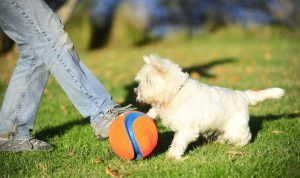
Puppy obedience tools are essential companions in the journey of nurturing a well-behaved canine companion. These tools not only aid in training but also enhance the bond between you and your furry friend. From clickers to collars, understanding the variety of obedience tools available can elevate your training experience and transform your puppy into a well-mannered member of the family.
In this guide, we delve into the significance of incorporating obedience tools in training routines, exploring their types, benefits, and practical tips for selecting the right tools tailored to your puppy’s needs. Whether you are a first-time puppy owner or a seasoned trainer, mastering these tools will pave the way for successful training outcomes.
Overview of Puppy Obedience Tools
Training your puppy is an essential part of responsible pet ownership, and utilizing the right obedience tools can make this process significantly more effective and enjoyable. Obedience tools not only facilitate the teaching of commands and behavior but also enhance the bond between pet and owner. Various tools are available on the market, each designed to help puppies learn in a structured way.
Different types of obedience tools include clickers, leashes, collars, harnesses, and training pads, among others. Each of these tools serves a unique purpose and offers specific benefits when incorporated into training routines. By utilizing these tools correctly, pet owners can achieve better results in obedience training, leading to well-behaved and happier puppies.
Types of Puppy Obedience Tools
Several popular obedience tools are essential for training your puppy effectively. Understanding these tools will help you choose the right one for your training needs.
- Clickers: A clicker is a small handheld device that makes a distinct sound. It is often used in positive reinforcement training to mark desired behaviors. The sound becomes a cue that the puppy has done something right, prompting a reward.
- Leashes: Leashes are vital for controlling your puppy during walks and training sessions. Different types of leashes, such as retractable and fixed-length, cater to various training styles.
- Collars: Collars come in various styles, including flat, martingale, and choke collars. Each type has its purpose, but they should always be used humanely and correctly to avoid discomfort.
- Harnesses: Harnesses are excellent for puppies that pull on the leash or have respiratory issues. They distribute pressure evenly across the chest and back, making walks more comfortable.
| Tool | Features | Benefits | Best Use Cases |
|---|---|---|---|
| Clicker | Handheld, audible click | Clear communication, enhances learning | Positive reinforcement training |
| Leash | Variety of lengths and styles | Control and safety | Daily walks, training sessions |
| Collar | Flat, martingale, choke | Identification, training aid | Basic obedience training |
| Harness | Chest and back support | Distributes pressure, comfort | Puppies that pull or have breathing issues |
While each type of tool has its advantages, they also come with potential drawbacks. Clickers require training to use effectively, leashes can cause discomfort if not used properly, and collars can pose a choking hazard if misused. Understanding these pros and cons will help in selecting the right tool for your puppy.
Selecting the Right Tools for Your Puppy
Choosing the appropriate obedience tools is crucial and should be based on various factors, including the puppy’s size, breed, and temperament. A well-informed selection will enhance the training experience for both the puppy and the owner.
- Size: Smaller breeds may benefit from lightweight collars and harnesses, while larger breeds require sturdier options.
- Breed: Certain breeds may have unique training needs; for example, hounds may require a harness to prevent pulling.
- Temperament: A more energetic puppy might need a more robust leash to control their excitement during training sessions.
A checklist of factors to consider when selecting training tools includes:
- Age and size of the puppy
- Specific training goals
- Material and adjustability of the tools
- Feedback from other pet owners
Common mistakes that pet owners make when choosing obedience tools include selecting tools based solely on price or aesthetics rather than function and suitability. Another mistake is failing to consider the puppy’s behavior and needs, leading to ineffective training sessions.
Training Techniques with Obedience Tools

Utilizing obedience tools effectively requires understanding various training techniques, such as positive reinforcement and clicker training, which promote a positive learning environment.A step-by-step guide to using specific tools effectively during training sessions includes:
- Establish a quiet training space free from distractions.
- Introduce the training tool, such as the clicker, positively to the puppy.
- Use the tool consistently to mark desired behaviors.
- Reward the puppy immediately after marking the behavior to reinforce the learning.
- Gradually increase the complexity of commands as the puppy learns.
Implementing tools in puppy obedience training can follow a structured timeline, where initial sessions focus on basic commands like “sit” and “stay,” and gradually introduce more complex behaviors over weeks.
Give your furry friend the nourishment they deserve with our premium hypoallergenic dog food. Crafted to reduce allergic reactions, this food provides a balanced diet for sensitive pups, ensuring they thrive without discomfort. Treat your dog to a meal that supports their health and well-being.
Safety Considerations
When using obedience tools during training and daily walks, safety is paramount. Ensuring that tools are not causing discomfort or injury to your puppy is essential for a positive experience.Safety tips for using obedience tools include:
- Regularly check that harnesses and collars fit properly and are not too tight.
- Observe your puppy for signs of distress or discomfort when using tools.
- Always supervise your puppy during training sessions to prevent accidents.
Signs that indicate a tool may not be suitable for a particular puppy include excessive pulling, vocalizing distress, or an inability to focus on training. To ensure comfort and fit when using collars or harnesses, pet owners should measure their puppy’s neck and chest size accurately and choose adjustable options whenever possible.
Maintenance and Care for Obedience Tools
Proper maintenance and care of obedience tools are essential for their longevity and effectiveness. Ensuring that tools are in good condition can prevent accidents and enhance training outcomes.Best practices for maintaining and cleaning obedience tools include:
- Regularly wash leashes and harnesses to remove dirt and odor.
- Inspect collars for wear and tear, replacing them as needed.
- Store tools in a dry, cool place to prevent damage.
A table detailing the lifespan and care for different tools might look like this:
| Tool | Lifespan | Care |
|---|---|---|
| Clicker | Indefinite | Wipe clean as needed |
| Leash | 1-3 years | Wash regularly, check for fraying |
| Collar | 1-5 years | Inspect often, replace if damaged |
| Harness | 1-5 years | Clean after use, check for wear |
Puppy owners should replace tools when they show signs of wear or damage, ensuring the safety of their pets, and dispose of damaged items responsibly, recycling where possible.
Success Stories and Testimonials, Puppy obedience tools
Success stories from pet owners who have effectively used obedience tools highlight the positive impact these tools can have on behavior and training outcomes. Many owners report significant improvements in their puppies’ obedience and overall happiness after implementing these tools consistently.Experienced trainers often share tips on maximizing the effectiveness of training tools, emphasizing the importance of patience, consistency, and positive reinforcement.
Feedback from various tools has shown that well-chosen tools can dramatically improve a dog’s behavior and foster a strong bond between puppy and owner.
Elevate your adventures with the ultimate traveler pant. Designed for comfort and style, these pants are perfect for the on-the-go explorer who values both functionality and fashion. Whether you’re hiking in the mountains or strolling through the city, these versatile pants will keep you looking sharp and feeling great.
Essential Questionnaire: Puppy Obedience Tools
What are puppy obedience tools?
As dogs age, their nutritional needs change, which is why our senior dog food is specially formulated for older pets. Packed with essential nutrients to support joint health and maintain vitality, this food helps your beloved companion enjoy their golden years to the fullest. Keep them happy and healthy with every bowl!
Puppy obedience tools are various items designed to assist in training puppies, such as clickers, leashes, collars, and harnesses.
How do I choose the right obedience tools for my puppy?
Consider your puppy’s size, breed, and temperament when selecting tools, and avoid common mistakes like choosing the wrong size or type.
Can I use multiple tools for training my puppy?
Yes, using a combination of tools can enhance training effectiveness, as different tools serve different purposes.
How often should I replace obedience tools?
Regularly inspect tools for wear and tear; replace them if they show signs of damage or no longer fit your puppy comfortably.
Are there safety concerns with using obedience tools?
Yes, ensure tools fit properly, monitor your puppy’s behavior during use, and watch for signs of discomfort or distress.