Himalaya travel invites you to embark on an unforgettable journey through majestic peaks, rich cultures, and breathtaking landscapes. This enchanting region offers a diverse array of experiences, from exhilarating adventures to serene spiritual retreats, making it a must-visit destination for every traveler. Whether you seek thrilling trekking routes or the warmth of local cuisine, the Himalayas promise memories that last a lifetime.
Explore iconic destinations like Leh-Ladakh, Manali, and Rishikesh, each boasting unique features that showcase the vibrant tapestry of Himalayan life. Discover hidden gems off the beaten path, indulge in exhilarating activities, and immerse yourself in the rich traditions and festivals that bring this extraordinary region to life.
Travel Destinations in the Himalayas
The Himalayas, a majestic mountain range, is home to breathtaking landscapes and rich cultural heritage. This region offers a plethora of travel destinations that cater to nature lovers, adventure seekers, and cultural enthusiasts alike. From iconic peaks to hidden gems, let’s explore the top travel destinations in the Himalayas.
Top Five Travel Destinations
The Himalayas features numerous captivating destinations, each with its unique charm. Here are the top five travel destinations that should be on every traveler’s list:
- Leh-Ladakh: Known for its stunning landscapes, Leh-Ladakh is famous for its high-altitude lakes and monasteries. The serene Pangong Lake and the historic Thiksey Monastery are must-visit sites.
- Shimla: The capital of Himachal Pradesh, Shimla is renowned for its colonial architecture and scenic hill views. The Ridge and Mall Road are popular spots for leisurely walks.
- Darjeeling: Famous for its tea plantations, Darjeeling offers breathtaking views of the Kanchenjunga peak. The Darjeeling Himalayan Railway, a UNESCO World Heritage site, is a unique travel experience.
- Rishikesh: As the Yoga Capital of the World, Rishikesh attracts tourists seeking wellness and spiritual enlightenment. The Ganges River and numerous ashrams provide a serene environment for meditation.
- Bhutan: Nestled in the eastern Himalayas, Bhutan is known for its rich culture and stunning monasteries. The Paro Taktsang, or Tiger’s Nest, is an iconic landmark that offers breathtaking views.
Cultural Significance of Himalayan Regions
The Himalayan regions are steeped in tradition and spirituality, making them culturally significant for travelers. Each region represents its distinct heritage, from the Buddhist monasteries of Ladakh to the vibrant festivals celebrated in Shimla. These cultural experiences offer travelers a deeper understanding of the local way of life and promote respectful tourism.
Lesser-Known Locations Worth Visiting
While the popular destinations attract many visitors, there are hidden gems in the Himalayas that promise unique experiences. Locations such as Spiti Valley and Tawang offer breathtaking landscapes and rich cultural experiences away from the crowds. Exploring these lesser-known areas allows travelers to connect more intimately with the local culture and natural beauty.
Adventure Activities in the Himalayas
Adventure seekers will find the Himalayas an exhilarating playground. From trekking to river rafting, there’s no shortage of adrenaline-pumping activities.
Indulge in ultimate relaxation with a 2 person sauna outdoors. Perfect for couples or friends, this sauna brings spa-like luxury to your backyard. Experience the benefits of heat therapy while enjoying the fresh air, making it a must-have for wellness enthusiasts looking to unwind and recharge.
Popular Adventure Activities
The Himalayan region offers a variety of adventure activities suitable for thrill-seekers:
- Trekking: Trails like the Everest Base Camp Trek and the Annapurna Circuit offer breathtaking views and challenging terrain.
- River Rafting: The Ganges and Bhagirathi rivers are popular for white-water rafting, presenting challenges for both beginners and seasoned rafters.
- Paragliding: Locations such as Bir Billing provide a unique perspective of the mountains from the sky.
- Rock Climbing: The rocky terrains of the Himalayas offer diverse climbing routes for enthusiasts.
Trekking Routes for Different Experience Levels
The Himalayas boast trekking routes that cater to all levels of experience. Beginners can explore shorter trails, while seasoned trekkers can take on challenging high-altitude treks.
- Beginner Level: The Hampta Pass Trek offers a relatively easy route with stunning landscapes.
- Intermediate Level: The Kheerganga Trek provides a mix of difficulty and breathtaking views, making it suitable for those with some trekking experience.
- Advanced Level: The Markha Valley Trek is best suited for experienced trekkers, showcasing rugged terrains and high altitudes.
Safety Measures for Adventure Sports
Engaging in adventure sports in the Himalayas requires caution. Travelers should be aware of necessary safety measures, including:
- Always trek with a guide or in groups to ensure safety.
- Check weather conditions before embarking on treks or outdoor activities.
- Wear appropriate gear and clothing suitable for high altitudes.
Local Cuisine and Dining Experiences
The culinary landscape of the Himalayas reflects its diverse cultures and traditions. Travelers should indulge in local dishes that showcase the region’s flavors.
Traditional Dishes to Try
The Himalayas offer a variety of traditional dishes that every traveler should sample:
- Thukpa: A hearty noodle soup, perfect for warming up after a long day outdoors.
- Momus: Delicious steamed dumplings filled with vegetables or meat, a popular snack in the region.
- Chura: A traditional dish made from flattened rice, often served with curd or as a side dish.
Dining Etiquette and Cultural Practices
Dining in the Himalayas often includes unique cultural practices. For instance, it is customary to eat with your right hand and to be respectful of local customs while sharing a meal.
Recommended Restaurants and Eateries
Here are some highly recommended dining options in key areas:
- Leh: The Tibetan Kitchen offers authentic Tibetan cuisine.
- Shimla: Indian Coffee House provides a nostalgic dining experience.
- Darjeeling: Glenary’s is famous for its bakery and local dishes.
Cultural Festivals and Events
The Himalayas boast a rich tapestry of cultural festivals that celebrate local traditions, attracting tourists and engaging communities.
Major Cultural Festivals
The region hosts various festivals throughout the year, each with its significance:
- Losar: The Tibetan New Year, celebrated with vibrant festivities and rituals.
- Himachal Day: A celebration of local culture and heritage.
- Durga Puja: A significant festival in North India, celebrated with great fervor.
Influence on Tourism and Community Engagement, Himalaya travel
These events not only enhance tourism but also foster community engagement, allowing travelers to interact with locals and participate in traditional celebrations.
Opportunities for Travelers to Participate
Travelers can immerse themselves in these festivals by volunteering or simply attending local events, providing a deeper cultural experience.
Enhance your outdoor living with stylish and functional outdoor furniture duluth mn. Our curated collection offers everything you need to create an inviting space for gatherings or peaceful evenings under the stars. Choose from a variety of designs and materials that suit your taste and elevate your outdoor experience to new heights.
Accommodations and Travel Logistics
Travelers in the Himalayas have various accommodation options ranging from budget hostels to luxury resorts.
Types of Accommodations
There’s a wide array of accommodations available:
- Guesthouses: Affordable and often run by locals, offering a homey feel.
- Hotels: Ranging from budget to luxury, catering to all types of travelers.
- Campsites: Ideal for adventurous travelers looking for a unique experience under the stars.
Travel Essentials Checklist
When visiting the Himalayas, consider the following travel essentials:
- Warm clothing and layers for varying temperatures.
- First-aid kit with basic medical supplies.
- Travel insurance covering adventure activities.
- Reusable water bottle to stay hydrated.
Navigating Local Transportation
Understanding local transportation options is crucial for an enjoyable trip. Options include local taxis, buses, and shared jeeps to reach remote areas.
Environmental Considerations: Himalaya Travel
Tourism in the Himalayas has significant environmental implications that necessitate responsible practices.
Impact of Tourism on the Ecosystem
The influx of tourists can strain local resources and disrupt ecosystems. It is essential for travelers to be aware of their impact on the environment.
Sustainable Travel Practices
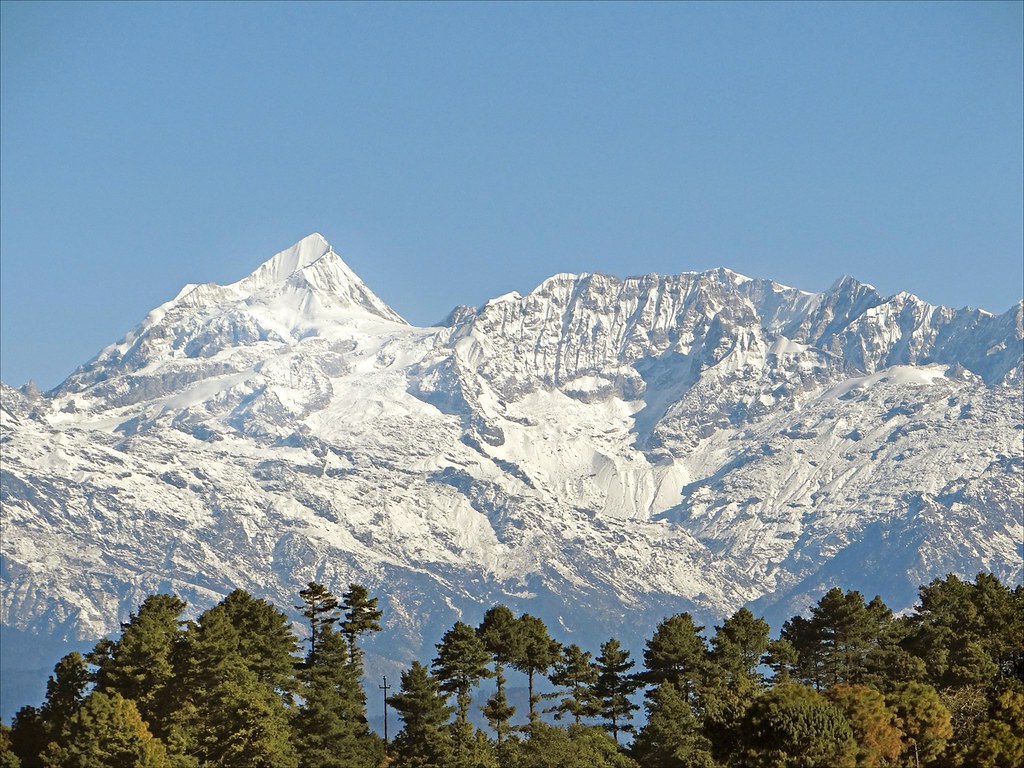
To minimize their environmental footprint, travelers should adopt sustainable practices such as:
- Carrying out all waste, including non-biodegradable items.
- Using eco-friendly products and practices.
- Respecting wildlife and natural habitats.
Conservation Efforts in the Himalayas
Various conservation initiatives are underway in the region. Travelers can contribute by supporting local conservation projects or participating in community clean-up efforts.
Spiritual and Wellness Retreats
The Himalayas are renowned for their spiritual and wellness retreats, providing opportunities for rejuvenation and self-discovery.
Spiritual Centers and Wellness Retreats
Spiritual centers such as Rishikesh and Dharamshala offer a plethora of wellness retreats that focus on meditation, yoga, and holistic healing.
Types of Wellness Practices Offered
Many retreats offer a range of wellness practices, including:
- Yoga sessions focusing on various styles.
- Meditation workshops to enhance mindfulness.
- Ayurvedic treatments for holistic healing.
Testimonials from Retreat Participants
Individuals who have participated in these retreats often share transformative experiences, highlighting the profound impact of the serene Himalayan environment on their wellness journeys.
Tips for First-Time Travelers
First-time visitors to the Himalayas can benefit from a few practical tips to enhance their travel experience.
Guide for First-Time Visitors
A well-prepared traveler is a happy traveler. Here are essential dos and don’ts to keep in mind:
- Do: Respect local customs and traditions.
- Do: Stay hydrated and acclimatize to high altitudes.
- Don’t: Litter or harm the natural environment.
Importance of Cultural Sensitivity
Understanding and respecting the local culture is crucial for a meaningful travel experience. This involves learning basic local phrases, understanding taboos, and showing respect towards religious sites.
Transform your outdoor space with the exquisite beach croft outdoor furniture. Designed for comfort and style, this collection elevates any patio or garden, making it the perfect spot for relaxation. Imagine enjoying your morning coffee or hosting a garden party in style with our stunning pieces that blend elegance and durability seamlessly.
Common Challenges and Solutions
Travelers may encounter challenges such as altitude sickness or language barriers. Preparing in advance and seeking guidance from locals can help overcome these obstacles effectively.
Key Questions Answered
What is the best time to visit the Himalayas?
The best time to visit the Himalayas is typically from March to June and September to November, when the weather is more favorable for trekking and outdoor activities.
Do I need a special permit to travel in certain areas of the Himalayas?
Transform your outdoor space into a coastal paradise with our stunning beach croft outdoor furniture. Perfect for lounging, dining, or entertaining, this collection blends style and comfort seamlessly. When you’re ready to unwind, consider enhancing your relaxation routine with a 2 person sauna outdoors , designed for ultimate tranquility and wellness. For those in search of durable and stylish pieces in the area, explore our selection of outdoor furniture duluth mn that will elevate your outdoor experience!
Yes, some areas, particularly near borders, may require special permits. It’s essential to check the regulations for your specific destination.
What are the health considerations when traveling in high altitudes?
Travelers should acclimatize properly to avoid altitude sickness, stay hydrated, and consider consulting with a healthcare provider about necessary precautions.
Is it safe to travel solo in the Himalayas?
Traveling solo can be safe, but it’s advisable to stay in well-populated areas, inform someone of your plans, and take necessary safety precautions.
What types of accommodation can I find in the Himalayas?
Accommodations range from luxury hotels and guesthouses to homestays and campsites, catering to various budgets and preferences.