How to Calculate ROI on Real Estate Investments is your gateway to unlocking the secrets of profitable real estate ventures! Whether you’re a seasoned investor or just starting out, understanding ROI is crucial for making informed decisions and maximizing your gains.
In this guide, we’ll break down the concept of ROI, explore its essential components, and clarify common misconceptions. From step-by-step calculations to advanced metrics and real-life case studies, prepare to dive deep into the world of real estate finance and discover strategies to enhance your investment returns.
Understanding ROI in Real Estate
Investment in real estate is one of the most popular avenues for building wealth, but the success of these investments often hinges on understanding a crucial metric: Return on Investment, or ROI. ROI serves as a benchmark for assessing the profitability and efficiency of real estate ventures, allowing investors to make informed decisions about where to place their capital.ROI in real estate is defined as the ratio between the net profit from an investment and the initial capital outlay, expressed as a percentage.
It is essential for evaluating different properties, comparing investment opportunities, and assessing the overall performance of one’s real estate portfolio. A higher ROI indicates a more profitable investment, while a lower ROI can suggest potential issues or less favorable conditions.
Components of ROI Calculation
Several key components contribute to calculating ROI in real estate, each affecting the final percentage and providing insights into the investment’s performance:
- Net Profit: The profit earned from the property after deducting all associated costs, including property management fees, maintenance, taxes, and mortgage payments.
- Initial Investment: The total amount spent to acquire the property, including purchase price, closing costs, and any renovation expenses.
- Appreciation: The increase in property value over time, which can significantly impact the overall ROI when the property is sold.
- Cash Flow: The income generated by the property after all expenses are covered, often leading to recurring returns on the investment.
Understanding these components will allow investors to accurately assess their returns and make strategic decisions regarding their investments.
Common Misconceptions About ROI in Real Estate
There are several misconceptions that can cloud an investor’s judgment when evaluating ROI in real estate investments. Addressing these misunderstandings can lead to more informed decision-making.
- ROI only considers cash flow: Many investors mistakenly believe that ROI calculations rely solely on cash flow or rental income. However, it’s crucial to factor in appreciation and other financial elements.
- High ROI means a low-risk investment: A higher ROI does not necessarily equate to lower risk. Investments with high returns might come with significant volatility or unforeseen expenses that can erode profits.
- Short-term ROI is more important than long-term ROI: While short-term gains are enticing, long-term appreciation and stability are equally vital for sustained success in real estate investment.
By recognizing these misconceptions, investors can better navigate their real estate journeys, leading to more profitable outcomes and wiser investment strategies.
Calculating ROI
Understanding the Return on Investment (ROI) is crucial for anyone looking to invest in real estate. Calculating ROI helps investors determine the profitability of their investment and assess the potential for future returns. This guide will take you through the steps to accurately calculate ROI on a real estate investment, ensuring you are well-equipped to make informed decisions.Calculating ROI involves several straightforward steps.
The process can vary slightly depending on the method chosen, but the fundamental principles remain consistent. Below, we Artikel a step-by-step guide for calculating ROI and present various methods including cash-on-cash return and total return.
Step-by-Step Guide to Calculating ROI
To effectively calculate ROI, follow these steps, which will provide clarity and precision in your investment evaluations:
1. Determine the Total Investment Cost
This includes the purchase price of the property, closing costs, renovation costs, and any other expenses incurred before generating income.
2. Calculate Annual Income
Identify all potential income generated from the property. This could be rental income, and for properties that may appreciate in value, consider the potential resale value.
3. Identify Operating Expenses
List all regular expenses associated with the property, including property management fees, maintenance, property taxes, insurance, and utilities.
4. Calculate Net Income
Subtract the total operating expenses from the annual income. This will give you the net income for your investment.
5. Apply the ROI Formula
Use the following formula to calculate ROI:
ROI = (Net Income / Total Investment Cost) x 100
This formula provides the ROI as a percentage, making it easier to compare with other investment opportunities.
6. Consider Different ROI Methods
Depending on your investment strategy, you might also want to calculate cash-on-cash return or total return.
Formulas for Different ROI Calculations
Understanding different methods for calculating ROI can help in evaluating various investment scenarios effectively. Here’s a breakdown:
1. Cash-on-Cash Return
This method focuses solely on the cash invested and cash generated:
Cash-on-Cash Return = (Annual Pre-Tax Cash Flow / Total Cash Invested) x 100
For instance, if you invest $100,000 in a property that generates $10,000 in annual cash flow, your cash-on-cash return would be:
Cash-on-Cash Return = ($10,000 / $100,000) x 100 = 10%
2. Total Return
Total return accounts for both cash flow and appreciation:
Total Return = [(Net Income + Appreciation) / Total Investment Cost] x 100
Imagine a property where you have a net income of $10,000 and an appreciation of $5,
If your total investment was $100,000, your total return would be:
Total Return = [($10,000 + $5,000) / $100,000] x 100 = 15%
Comparison of ROI Methods
Different methods of calculating ROI can yield varying insights into your investment’s performance. Here’s a comparison of cash-on-cash return and total return:
Cash-on-Cash Return
This method is ideal for investors seeking immediate cash flow. It focuses on the actual cash you receive relative to the cash you put in.
Total Return
This is more comprehensive as it includes both cash flow and property appreciation. It’s suitable for long-term investors looking at the overall health of their investment portfolio.By understanding these methods and applying the relevant formulas, you can enhance your investment strategy and make more informed decisions in the real estate market.
Factors Affecting ROI
Real estate investment is not only about numbers; various external and internal factors significantly influence the return on investment (ROI). Understanding these factors is crucial for investors who aim to maximize their profits and make informed decisions in the dynamic real estate market.The ROI in real estate can fluctuate based on several influential elements. External factors such as economic conditions, government policies, and market trends play a vital role.
Additionally, the location of a property can determine its desirability and, subsequently, its potential return. Management practices also significantly impact ROI, as effective property management can lead to better tenant satisfaction and lower vacancy rates.
External Factors Impacting ROI, How to Calculate ROI on Real Estate Investments
Several external factors can sway the ROI on real estate investments. Understanding these aspects is essential for investors to mitigate risks and enhance their returns.
- Economic Conditions: Economic growth often leads to increased property demand, driving up prices and rent rates. Conversely, a recession can decrease property values and rental income.
- Government Policies: Changes in tax laws or property regulations can directly impact ROI. For example, tax incentives for property renovations can boost profitability.
- Market Trends: Staying attuned to trends, such as shifts in buyer preferences for sustainable or smart homes, can influence investment decisions.
- Interest Rates: Fluctuating interest rates can affect mortgage costs, impacting cash flow and overall ROI.
Location Influence on ROI Calculations
Location is a paramount factor in real estate, often determining the potential returns on investment. Properties in prime locations generally attract higher demand and better appreciation rates. Investors should consider the following aspects when evaluating location:
- Neighborhood Demographics: Understanding the local population and their income levels can help predict rental demand.
- Accessibility: Proximity to transportation, schools, and amenities influences buyer and tenant appeal.
- Future Development: Areas undergoing development or revitalization often see significant appreciation potential.
- Crime Rates: Low crime rates can enhance property values and attract quality tenants, leading to stable rental income.
Role of Property Management in Favorable ROI
Effective property management is a crucial aspect that can substantially influence ROI. Good management practices help in maintaining the property’s condition and ensuring tenant satisfaction.Key elements of successful property management include:
- Regular Maintenance: Keeping the property in good shape prevents costly repairs and retains tenant interest.
- Tenant Relations: Building positive relationships with tenants can lead to longer leases and reduced vacancy rates.
- Market Analysis: Regular assessment of rental rates ensures competitiveness and maximizes rental income.
- Efficient Cost Management: Effective management of operating costs contributes directly to improved cash flow and ROI.
“The success of your real estate investment is often dictated by the factors you can control, such as management practices and location choice.”
Advanced ROI Calculations
Understanding advanced metrics for calculating ROI in real estate investments can significantly enhance your decision-making process. By diving deeper into these calculations, you can obtain a more nuanced view of your investment’s potential profitability and risk. This section will cover various advanced ROI metrics, how taxes and depreciation affect your calculations, and the utilization of software tools and spreadsheets to streamline these computations.
Comparison of Various ROI Metrics
Several advanced ROI metrics provide distinct perspectives on real estate investment performance. Each metric offers unique insights, making them valuable for informed decision-making. Here are some key metrics:
- Internal Rate of Return (IRR): This metric calculates the annualized effective compounded return rate that makes the net present value (NPV) of all cash flows from the investment equal to zero. A higher IRR indicates a more attractive investment.
- Net Present Value (NPV): NPV determines the current value of future cash flows generated by the investment, discounted back at the required rate of return. A positive NPV suggests that the investment is likely to be profitable.
- Cash-on-Cash Return: This measures the annual before-tax cash flow generated by an investment, divided by the total cash invested. It helps investors understand immediate cash return relative to the cash investment.
- Return on Investment (ROI): A straightforward metric that calculates the percentage return relative to the initial investment, providing a quick snapshot of profitability.
Each of these metrics can provide different insights based on the investor’s goals and the nature of the investment.
Factoring in Taxes and Depreciation
Incorporating taxes and depreciation into your ROI calculations ensures a more accurate representation of the true financial performance of your real estate investment. Taxes can significantly impact cash flow, while depreciation reduces taxable income, enhancing cash returns. Here’s how to approach the integration of these factors:
- Tax Considerations: Account for property taxes, capital gains taxes, and any tax incentives that may apply. For instance, if you’re expecting a 25% tax rate on gains, adjust your projections accordingly.
- Depreciation Benefits: Utilize depreciation to offset income. For residential properties, the IRS allows for a depreciation deduction over 27.5 years. Calculate the annual depreciation by dividing the property value (excluding land) by 27.5.
- Adjusted ROI Calculation: Factor both taxes and depreciation into your cash flow calculations to arrive at a net cash flow figure. This provides a clearer picture of profitability after tax implications.
These adjustments enhance the accuracy of your ROI, providing a more realistic view of your investment’s financial performance.
Utilization of Software Tools and Spreadsheets
In today’s digital age, leveraging technology can simplify and enhance the accuracy of ROI calculations. Numerous software solutions and spreadsheet templates are available to assist in this process. Here’s how to effectively use these tools:
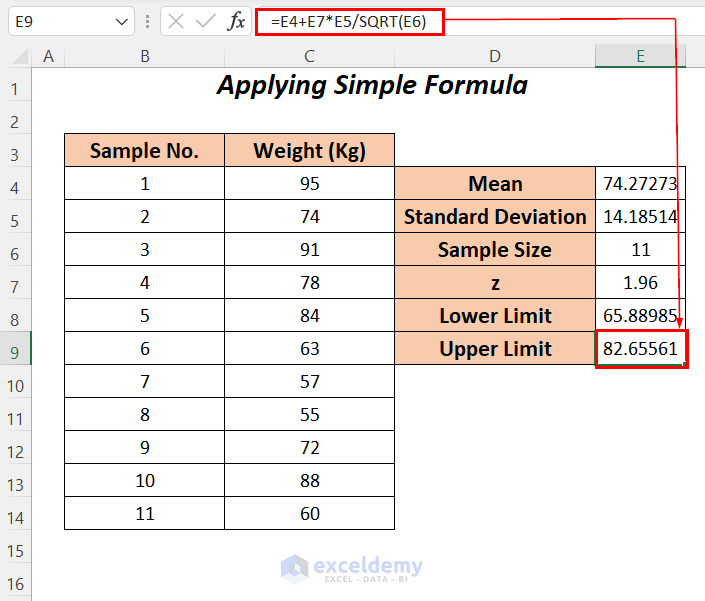
- Spreadsheet Software: Programs like Microsoft Excel or Google Sheets allow for customizable ROI calculations. You can create templates that automatically update based on inputted data, which saves time and improves accuracy.
- Real Estate Investment Software: Tools such as PropertyMetrics, DealCheck, and Real Estate Financial Modeling (REFM) provide comprehensive features for calculating ROI, including built-in templates for NPV and IRR calculations.
- Automation and Data Integration: Many of these software tools can connect with financial data, providing real-time insights into market trends, property values, and operational expenses, thus enhancing decision-making.
By utilizing these resources, investors can streamline their calculations, allowing for more efficient analysis of potential investments.
Case Studies
Real estate investment is a powerful avenue for wealth accumulation, and analyzing specific case studies can provide invaluable insights into successful and unsuccessful ventures. This section delves into real-life examples that highlight calculated ROIs, revealing what made certain investments thrive while others faltered. Understanding these case studies offers crucial lessons for aspiring and seasoned investors alike.Examining both successful and failed investments enables us to identify trends, mistakes, and strategies that can be applied to future endeavors.
The following examples illustrate varying ROI levels, highlighting the factors that contributed to their outcomes.
Successful Real Estate Investments
The following successful cases showcase impressive ROIs and the strategies that made them stand out. Each example will also provide a brief analysis of the investment approach taken by the investors.
- Case A: Urban Apartment Complex
-An investor purchased a dilapidated apartment complex in a burgeoning neighborhood for $1 million. After renovations costing $300,000, the property was re-evaluated at $1.6 million. With a rental income generating $120,000 annually, the ROI calculated was 20%. - Case B: Retail Space in a Growing Market
-An entrepreneur acquired a retail space for $500,000 in a developing suburb. By leasing to reputable tenants, the property provided an annual income of $75,000. The calculated ROI reached 15% over five years.
Failed Real Estate Investments
Not every investment yields a positive outcome, but analyzing failures can provide critical lessons. The following failed investments highlight common pitfalls and their resulting ROIs.
- Case C: Over-Leveraged Single-Family Home
-An investor purchased a home for $600,000 using high leverage. After unforeseen market shifts, the property value plummeted to $400,000, resulting in a negative ROI of -33% when factoring in holding costs. - Case D: Commercial Space in an Oversaturated Market
-An investor secured a commercial property for $800,000, but high vacancy rates and stiff competition reduced its value to $600,000. The ROI was calculated at -25% over three years.
Comparative Case Study Table
The following table provides a side-by-side comparison of various case studies, showcasing their respective purchase prices, sales prices, rental incomes, and calculated ROIs. This comparative analysis allows for quick reference and evaluation of different investment strategies.
| Case Study | Purchase Price ($) | Sales Price ($) | Annual Rental Income ($) | ROI (%) |
|---|---|---|---|---|
| Case A | 1,000,000 | 1,600,000 | 120,000 | 20% |
| Case B | 500,000 | Unknown | 75,000 | 15% |
| Case C | 600,000 | 400,000 | Unknown | -33% |
| Case D | 800,000 | 600,000 | Unknown | -25% |
“Investing in real estate is not just about numbers; it’s about understanding market dynamics and making informed decisions.”
Strategies to Improve ROI
In the competitive world of real estate investment, maximizing your return on investment (ROI) is essential for financial success. Implementing strategic enhancements and wisely choosing financing options can significantly elevate your property’s profitability. By focusing on targeted improvements and careful planning, you can unlock the full potential of your investments.Investing in property enhancements can lead to substantial increases in ROI.
Minor renovations, energy-efficient upgrades, and aesthetic improvements not only elevate the property’s value but also attract higher-quality tenants or buyers. Moreover, the choice of financing can drastically impact your overall returns, where lower interest rates and favorable loan terms can enhance your profit margins.
Methods for Increasing ROI through Property Enhancements
Enhancing a property involves various strategies that can improve its appeal and functionality, thereby increasing its value. Consider the following methods:
Renovations and Upgrades
Focus on kitchens and bathrooms, as these areas yield the highest returns. Upgrading appliances, fixtures, and finishes can make a significant difference.
Curb Appeal Improvements
First impressions matter. Simple landscaping, painting the exterior, or adding a welcoming entryway can attract more prospective buyers or renters.
Thinking of buying a phone online? Make sure you read our comprehensive guide on Should You Buy a Phone From Online Private Sellers. With tips on assessing seller credibility and ensuring product quality, you’ll navigate the online marketplace with confidence and score the best deals on your next gadget!
Energy Efficiency
Installing energy-efficient windows, insulation, or HVAC systems not only reduces utility costs but also appeals to environmentally-conscious tenants.
Smart Home Features
Integrating technology such as smart thermostats, security systems, and automated lighting can set your property apart in a competitive market.
Impact of Financing Options on Overall ROI
The financing structure you choose can greatly influence your ROI. Selecting favorable financing can lower your monthly payments and increase cash flow. Here are key factors to consider:
Interest Rates
Lower interest rates reduce the total cost of the loan, maximizing your profit.
Loan Terms
Curious about how interest rates influence your property investment? Delve into our insightful article on The Impact of Interest Rates on Real Estate Prices. Understand the correlation between fluctuating rates and market dynamics, empowering you to make informed decisions when buying or selling real estate. Stay ahead of the curve!
Shorter loan terms often have higher monthly payments but less interest paid over time, leading to greater equity accumulation.
Equity Financing
Leveraging existing equity through a cash-out refinance can provide funds for property enhancements and improve overall ROI.
Tips for Maximizing ROI in Real Estate Investments
Implementing effective strategies is crucial for enhancing ROI. The following tips can help ensure you are maximizing your real estate investments:
Conduct Market Research
Understand neighborhood trends and demands to make informed property improvement decisions.
Regular Maintenance
Keep the property in excellent condition to retain its value and attract quality tenants.
Utilize Professional Services
Engage real estate professionals for accurate appraisals and market insights to guide your investment strategies.
Unlock the secrets to a successful home sale with our essential guide on Tips for Selling a Property Without an Agent. Discover effective strategies to attract buyers, set the right price, and negotiate like a pro—all while saving money on commissions. Take control of your real estate journey and maximize your profit today!
Monitor Financial Performance
Regularly evaluate your cash flow, expenses, and ROI to identify areas for improvement.
Diversify Your Portfolio
Consider investing in different types of properties or markets to mitigate risk and enhance potential returns.By strategically enhancing your property and making informed financing decisions, you can significantly improve your ROI, leading to sustainable success in the real estate investment landscape.
Investing in Different Market Conditions
Navigating real estate investments requires a keen understanding of market conditions. Buyers and sellers operate in different realities, and recognizing these dynamics is essential for calculating ROI effectively. Whether you are in a buyer’s market, where supply exceeds demand, or a seller’s market, characterized by high demand and low inventory, strategies can vary significantly. Understanding these nuances can help investors maximize returns while mitigating risks amidst fluctuating economic trends.
Strategies for Calculating ROI in Different Market Conditions
Investors must adapt their ROI calculations based on prevailing market conditions. In a buyer’s market, opportunities to negotiate favorable purchase prices are more prevalent, allowing for potentially higher ROI. Conversely, in a seller’s market, competition can drive prices up, necessitating careful calculations to ensure investments remain profitable.
In a buyer’s market, the following strategies can optimize ROI:
- Negotiate Purchase Prices: Leverage the abundance of listings to secure properties below market value, improving overall ROI.
- Focus on Long-Term Rentals: Lower purchase prices can lead to better cash flow from renting, enhancing ROI through consistent income.
- Invest in Fixer-Uppers: Properties needing renovations are often undervalued; investing in improvements can yield significant returns when the market rebounds.
In a seller’s market, strategies may include:
- Prioritize Location: Invest in high-demand areas where property appreciation is likely, ensuring a favorable ROI even at higher entry prices.
- Quick Flips: Capitalize on the rapid appreciation of properties by flipping, aiming for short-term ROI gains.
- Consider Pre-Construction Investments: Secure properties at today’s prices, potentially benefiting from future appreciation as the market continues to rise.
Economic Trends Impacting Real Estate ROI Calculations
Economic indicators significantly influence real estate ROI calculations. Factors such as interest rates, employment rates, and inflation can alter the landscape for investors. When interest rates are low, borrowing becomes cheaper, enabling higher leverage on properties, which can increase ROI. Conversely, high-interest rates can dampen demand and reduce property values, impacting potential returns.
Inflation, too, plays a critical role. Rising costs can increase property values and rental income, enhancing ROI, provided that expenses are managed effectively. Investors should monitor key economic trends to make informed decisions regarding their investment strategies.
Risk Management Strategies for Market Fluctuations
Protecting ROI during market fluctuations requires proactive risk management strategies. Investors can mitigate risks through diversification, ensuring their portfolios are not overly reliant on one market segment. Additionally, maintaining liquidity allows for swift action during downturns, enabling investors to seize opportunities as they arise.
Key risk management strategies include:
- Regular Market Analysis: Continuously assess market conditions to identify trends and adjust investment strategies accordingly.
- Utilize Real Estate Investment Trusts (REITs): Investing in REITs can provide exposure to real estate without direct ownership, reducing risk.
- Implement a Contingency Plan: Prepare for potential market downturns with a plan that Artikels steps for maintaining cash flow and minimizing losses.
Essential FAQs: How To Calculate ROI On Real Estate Investments
What is a good ROI for real estate investments?
A good ROI typically ranges from 8% to 12%, depending on market conditions and property type.
How often should I calculate ROI on my properties?
It’s advisable to calculate ROI annually, but also after significant changes or improvements to the property.
Can I calculate ROI without accounting for financing?
Yes, you can calculate ROI based on cash transactions, but accounting for financing provides a more comprehensive view of investment performance.
What is the difference between cash-on-cash return and total ROI?
Cash-on-cash return measures the cash income earned on the cash invested, while total ROI includes all profit sources, including appreciation and tax benefits.
How does location affect my ROI?
Location significantly impacts property value, rental demand, and market trends, all of which directly influence ROI.