Outdoor low voltage path lights are revolutionizing the way we illuminate our outdoor spaces, offering both safety and aesthetic appeal. As the sun sets, these lights guide our paths, making it easier to navigate while adding charm to gardens and walkways. With energy efficiency and cost savings as significant benefits, low voltage lighting has become a staple in modern landscaping.
From various styles and materials to easy installation, outdoor low voltage path lights present a versatile solution for enhancing visibility and beauty in any outdoor setting. Whether you opt for solar-powered options or wired designs, understanding their benefits and maintenance can transform your landscape into a stunning evening retreat.
Benefits of Outdoor Low Voltage Path Lights
Outdoor low voltage path lights provide numerous advantages that enhance both safety and aesthetics in outdoor environments. These lights not only illuminate pathways but also create inviting atmospheres for gardens, yards, and driveways. Their design allows for greater flexibility, making it easier to customize lighting according to specific needs and preferences.
One of the primary benefits is the enhancement of safety and visibility during nighttime. By clearly marking pathways, these lights reduce the risk of accidents such as trips and falls, ensuring that guests can navigate outdoor spaces with confidence. Moreover, the soft glow of path lights can deter unwanted intruders, adding an extra layer of security to residential properties.
Additionally, low voltage path lights are known for their energy efficiency. Compared to traditional lighting options, they consume significantly less power, resulting in lower energy bills. Many options also come with LED technology, which lasts longer and provides substantial cost savings over time.
Types of Outdoor Low Voltage Path Lights
There are various styles and designs available for low voltage path lights, catering to different aesthetic preferences and functional needs. The most common types include:
- Traditional lantern-style lights, which offer a classic look and warm illumination.
- Modern, sleek designs that fit contemporary landscapes, often made from stainless steel or aluminum.
- Rustic fixtures that blend well with natural settings, often crafted from wood or wrought iron.
Common materials used in low voltage path lights include durable metals, plastics, and glass. Each material has its own benefits; for instance, metal fixtures tend to be more robust, while plastic options offer lightweight and corrosion-resistant qualities.
When comparing solar-powered versus wired low voltage lights, both options have their own merits. Solar-powered lights are easy to install and require no wiring, making them a popular choice for DIY enthusiasts. However, wired options typically provide more consistent brightness and are less dependent on sunlight conditions.
Installation Process for Outdoor Low Voltage Path Lights
Installing outdoor low voltage path lights can be a straightforward process with the right approach. Below is a step-by-step procedure for ensuring a successful installation:
- Plan the layout: Determine where the lights will be placed, taking into account the design of your landscape.
- Gather the necessary tools: You will need wire cutters, a shovel, and connectors for wiring.
- Dig the holes: Create holes for the lights at the desired locations, ensuring they are deep enough to hold the fixtures securely.
- Run the wiring: Lay down the low voltage wire from the power source to each light fixture, making sure to follow safety guidelines.
- Connect each light: Using connectors, attach the wires to the respective fixtures, ensuring a secure fit.
- Test the system: Turn on the power to ensure all lights are functioning correctly before securing the ground around them.
Safety precautions include turning off the power before starting any installation and using insulated tools to prevent accidental shocks.
Maintenance of Outdoor Low Voltage Path Lights
Regular maintenance is crucial for extending the lifespan of outdoor low voltage path lights. Here is a checklist to follow:
- Inspect bulbs and replace any burnt-out ones promptly.
- Clean the fixtures regularly to remove dirt and debris that could obstruct light output.
- Check for damaged wires or connections and repair as necessary.
- Ensure that solar panels (if applicable) are free of obstructions to maximize sunlight exposure.
In addition to routine checks, troubleshooting common issues such as flickering lights or non-functioning fixtures can often be resolved by checking connections and replacing bulbs.
Cleaning materials used in path lights can differ based on the material type, so it’s essential to use appropriate cleaning solutions to avoid damage.
Design Ideas for Using Path Lights in Outdoor Spaces, Outdoor low voltage path lights
Incorporating path lights into landscape design can dramatically enhance the beauty of your outdoor space. Here are creative ways to utilize path lighting effectively:
- Use path lights to border garden beds, creating defined and inviting edges.
- Highlight outdoor features such as sculptures, fountains, or seating areas by positioning lights strategically around them.
- Illuminate walking paths with a combination of low and high-intensity lights for a layered effect.
A thoughtful layout plan for lighting placement should consider both functionality and aesthetics. For example, using a staggered arrangement of lights can create visual interest while ensuring adequate illumination.
Energy Efficiency and Environmental Impact
Low voltage path lights play a significant role in reducing energy consumption. By utilizing LED technology, these lights consume less electricity while providing ample brightness.
The benefits of LED technology in outdoor lighting are substantial:
- Long lifespan, often lasting up to 25,000 hours.
- Lower heat output, which enhances safety and reduces energy waste.
- Environmentally friendly, as LEDs contain no hazardous materials and are fully recyclable.
Incorporating sustainable materials in the design of path lights also contributes to less environmental impact, promoting eco-friendly practices in landscape lighting.
Cost Considerations for Outdoor Low Voltage Path Lights
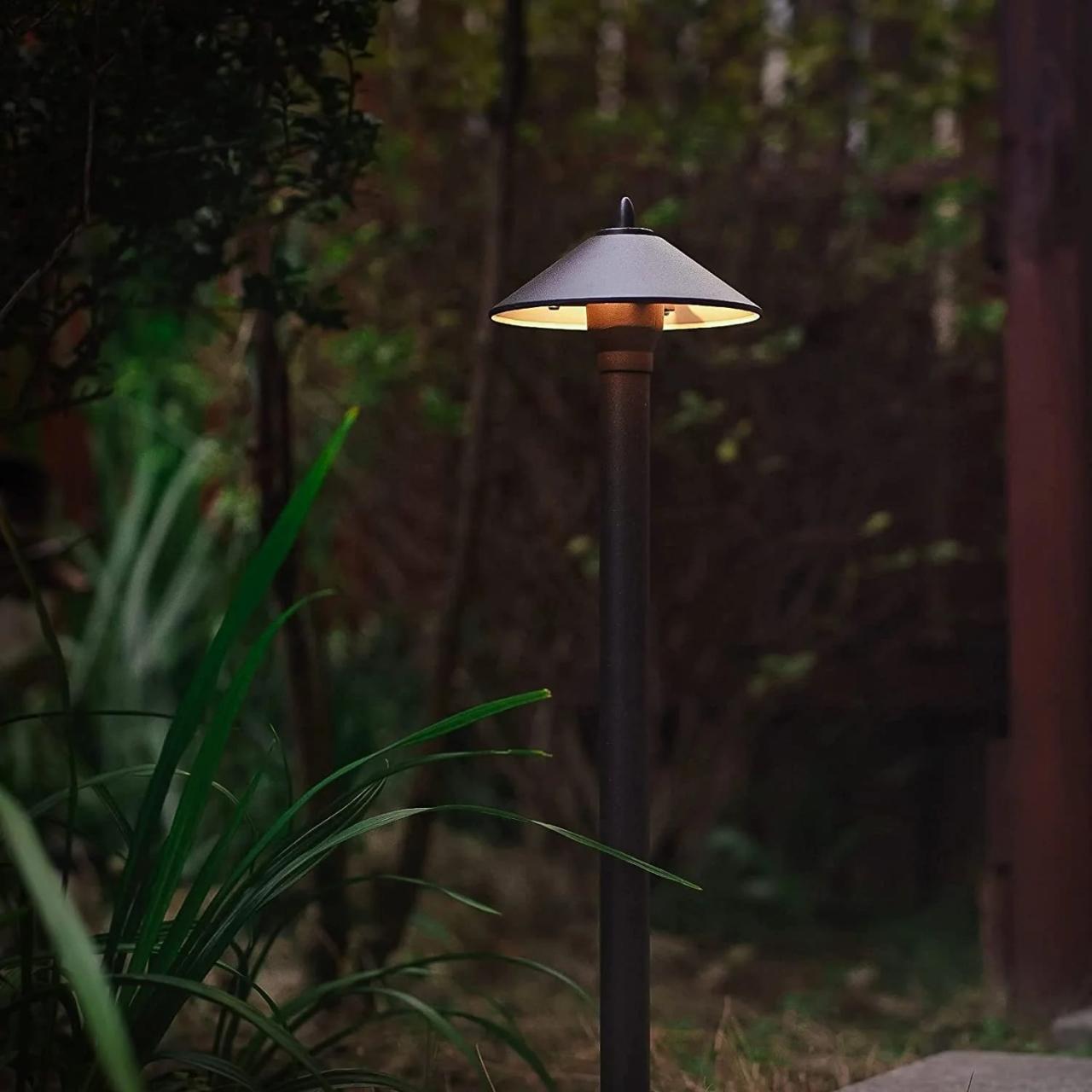
When evaluating the cost of outdoor low voltage path lights, it’s essential to analyze both the initial investment and potential long-term savings. While upfront costs can vary widely depending on the type and brand of lights, energy-efficient options often yield significant savings over time.
Average pricing for various types of outdoor path lights can range from $20 to $100 per unit, with installation costs potentially adding an additional $100 to $300 depending on complexity.
Comparing the cost of installation for solar-powered versus wired options reveals that solar lights typically have lower installation costs due to their DIY-friendly nature, while wired systems may involve professional installation fees but offer more reliability in performance.
Trends in Outdoor Low Voltage Path Lighting
The landscape of outdoor lighting is ever-evolving, with new trends and innovations shaping consumer choices. Currently, popular designs include:
- Smart path lights that can be controlled via smartphone apps for convenience and customization.
- Minimalistic designs that emphasize simplicity and elegance, appealing to modern aesthetics.
- Environmentally sustainable options made from recycled materials, reflecting a growing consumer preference for green products.
Insights into user preferences indicate a shift towards integrating technology and sustainability in outdoor lighting, allowing for enhanced functionality and reduced environmental impact.