Differences Between Residential and Commercial Real Estate is a topic that unveils the unique characteristics and considerations that set these two property types apart. Whether you’re a seasoned investor or a curious first-time buyer, understanding the fundamental distinctions is key to making informed decisions in the real estate market. From legal frameworks to financial aspects and market trends, each category presents its own set of opportunities and challenges that can impact your investment journey.
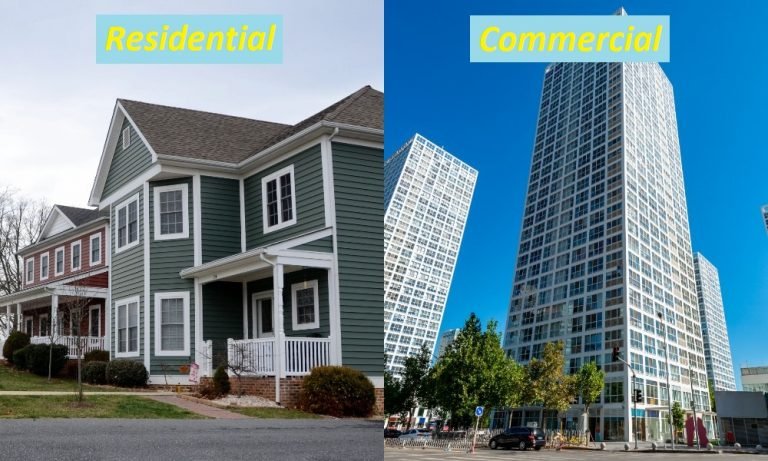
Residential real estate typically involves properties where people live, such as single-family homes and apartments, while commercial real estate includes properties used for business purposes, like office buildings and retail spaces. Grasping the nuances between them is crucial for navigating the complex world of real estate investment.
Definitions and Key Concepts
Residential and commercial real estate are two distinct categories within the real estate sector, each serving unique purposes and functions. Understanding these differences is crucial for investors, buyers, and real estate professionals alike. This exploration will guide you through the definitions, examples, and primary functions associated with each type of real estate.
Residential Real Estate
Residential real estate refers to properties that are primarily used for living purposes. This category encompasses a range of housing types designed to accommodate individuals, families, or groups. Examples of residential real estate include:
- Single-family homes: These are standalone houses typically occupied by one family.
- Multi-family homes: These properties consist of multiple housing units, such as duplexes or apartment buildings.
- Condos: Condominium units are individual properties within a larger building, often with shared amenities.
- Townhouses: These are linked homes that share walls with neighboring units, commonly found in communities.
The primary function of residential real estate is to provide shelter and a living environment for its occupants. It caters to various demographic needs, from single professionals to large families, and often appreciates in value over time due to demand and location.
Commercial Real Estate
Commercial real estate encompasses properties that are used for business purposes. This type of real estate is typically designed to generate profit, whether through rental income or resale. Examples of commercial real estate include:
- Office buildings: Spaces rented out to businesses for administrative and operational functions.
- Retail spaces: Locations like shopping malls and standalone stores where goods and services are sold to consumers.
- Industrial properties: Facilities used for manufacturing, storage, and distribution of goods.
- Hospitality properties: Includes hotels, motels, and resorts that provide lodging services.
The primary function of commercial real estate is to facilitate business operations and generate income. It plays a vital role in the economy, as it supports various industries and creates job opportunities.
“While residential real estate is primarily focused on providing living spaces, commercial real estate drives economic activities through its business-centric design.”
Legal and Regulatory Differences
The legal and regulatory landscape for residential and commercial real estate is distinctly different, reflecting the unique needs and complexities associated with each type of property. Understanding these differences is crucial for investors, homeowners, and business operators alike, as they navigate the often intricate laws that govern real estate transactions and ownership.
Legal Frameworks Governing Residential Properties
Residential properties are primarily governed by a specific set of laws designed to protect both tenants and homeowners. These regulations include:
- Landlord-Tenant Laws: These laws establish the rights and responsibilities of both landlords and tenants, covering issues like security deposits, eviction processes, and maintenance obligations.
- Fair Housing Act: This federal law prohibits discrimination in housing based on race, color, national origin, religion, sex, familial status, or disability, ensuring equal access to housing opportunities.
- Building Codes: Local regulations that dictate the standards for construction and safety of residential properties, ensuring that homes are safe and habitable.
Regulations Affecting Commercial Properties
In contrast, commercial properties are subject to a more complex framework of regulations, which can vary significantly based on the type of business operations being conducted. Key regulations include:
- Commercial Lease Agreements: Unlike residential leases, commercial leases are often more negotiable and can include a variety of terms regarding the use of the property, maintenance responsibilities, and financial obligations.
- Occupancy Permits: Required for businesses to legally occupy a commercial space, these permits ensure compliance with local zoning laws and safety codes.
- Environmental Regulations: Commercial properties, particularly those involved in manufacturing or industrial activities, must comply with regulations designed to protect the environment and public health.
Zoning Laws Differentiating Both Types of Real Estate
Zoning laws play a pivotal role in differentiating residential properties from commercial properties. These laws dictate how land can be used and can significantly affect property value and use potential.
- Residential Zoning: Areas designated for housing typically have restrictions on the types of structures that can be built and the activities that can occur, such as prohibiting commercial activities to maintain neighborhood character.
- Commercial Zoning: Zones designated for business activities often allow for a range of commercial operations, including retail, office, and industrial uses, which may have specific regulations regarding hours of operation and types of permissible signage.
- Mixed-Use Zoning: Some areas may have mixed-use zoning, allowing for a combination of residential and commercial properties, fostering a vibrant community environment but requiring careful planning and regulatory compliance.
Financial Aspects
In the realm of real estate, understanding the financial landscape is crucial, as it directly influences investment strategies and decisions. Residential and commercial properties exhibit distinct financing options, valuation methods, and return on investment (ROI) expectations, which can significantly affect your investment outcomes. This segment delves into these financial distinctions to equip you with essential insights.
When shopping for smartphones online, it’s essential to know how to find value. Discover How to Spot a Good Deal When Buying Phones Online and make your purchase with confidence. With tips on evaluating offers and recognizing genuine discounts, you can secure the best gadgets without overspending, ensuring you get the most out of your tech budget.
Financing Options for Residential and Commercial Properties
The financing avenues available for residential and commercial real estate are often quite different, reflecting the varying levels of risk and investment return characteristics inherent in each sector. For residential properties, financing is typically more accessible due to government-backed loans and favorable interest rates, making it a popular choice for first-time homebuyers. Common financing options include:
- Conventional Loans: Generally require a 20% down payment and good credit scores.
- FHA Loans: Insured by the Federal Housing Administration, allowing for lower down payments and credit scores.
- VA Loans: Available to veterans, offering zero down payment options and competitive interest rates.
On the other hand, commercial properties often involve more complex financing structures. Lenders assess the potential income generated by the property, leading to different terms and conditions. Common financing avenues include:
- Commercial Mortgage Loans: Typically require larger down payments and have stricter credit requirements.
- Bridge Loans: Short-term financing that helps investors acquire properties while they seek long-term financing.
- SBA Loans: Government-backed loans specifically for small businesses purchasing commercial real estate.
Property Valuation Methods
Valuation methods for residential and commercial properties also differ significantly, shaped by their unique financial characteristics. Residential properties are commonly valued using the sales comparison approach, which evaluates the property against similar recently sold homes. The key elements considered include:
- Comparable Sales: Analyzing recent sales of similar homes in the area.
- Market Trends: Adjusting values based on shifts in the real estate market.
In contrast, commercial properties typically utilize the income approach, focusing on the potential income the property can generate. This method encompasses:
- Net Operating Income (NOI): Assessing the income produced minus operating expenses.
- Capitalization Rate (Cap Rate): A formula representing the expected return on investment, calculated as NOI divided by the property purchase price.
Typical Return on Investment (ROI)
The expected return on investment (ROI) for residential versus commercial real estate further illustrates their financial distinctions. For residential properties, ROI tends to be moderate, often ranging from 6% to 10%. This return is influenced by factors such as property appreciation and rental income. In commercial real estate, the ROI is generally higher, often reaching between 8% to 12% or more, depending on the property type and market conditions.
This higher potential return is accompanied by increased risk and complexity, necessitating a thorough analysis of market dynamics and property performance.
Navigating the complexities of real estate transactions is crucial for success. Learn How to Handle Legal Documents in Real Estate Deals to streamline your process and safeguard your investments. By mastering the legal aspects, you can avoid pitfalls and ensure your deal progresses smoothly from start to finish, making your property acquisition seamless and stress-free.
“Investing wisely in real estate requires a robust understanding of financial aspects, ensuring that your investment aligns with your financial goals.”
Market Trends and Demand: Differences Between Residential And Commercial Real Estate
The landscape of real estate is continuously evolving, with unique trends emerging in both residential and commercial sectors. Understanding these trends is crucial for investors, homeowners, and businesses alike, as they directly impact decisions and strategies in property acquisition and management. A keen analysis of current market dynamics unveils opportunities and challenges that stakeholders must navigate effectively.
Current Market Trends in Residential Real Estate
The residential real estate market has shown a robust recovery in recent years, influenced by various factors including interest rates, remote work culture, and changing lifestyle preferences. The ongoing demand for suburban and rural properties indicates a shift away from urban centers, driven by the quest for larger living spaces and affordability. Key trends include:
- Rising Prices: Home prices have surged, particularly in desirable areas, often outpacing wage growth. In 2022, the National Association of Realtors reported an annual increase in home prices by approximately 15% across many metropolitan regions.
- Low Inventory: The inventory of available homes remains low, leading to competitive bidding situations. The shortage of housing supply has become a significant challenge for first-time buyers and investors alike.
- Technology Integration: The adoption of technology in real estate transactions, such as virtual tours and online platforms, has transformed how buyers search for homes, making the process more efficient and accessible.
Demand Fluctuations in Commercial Real Estate Sectors
The commercial real estate sector has experienced notable fluctuations in demand due to economic conditions, technological advancements, and societal shifts. The pandemic has significantly influenced this sector, with varying impacts across different types of commercial properties. It’s essential to recognize these variations:
- Office Space Demand: The rise of remote work has led to a decreased demand for traditional office spaces. Many companies are rethinking their office requirements, resulting in higher vacancy rates in urban areas.
- Retail Evolution: E-commerce growth has reshaped the retail landscape, prompting many brick-and-mortar stores to adapt or close. Urban retail spaces are increasingly being repurposed for mixed-use developments or logistics centers.
- Warehouse and Logistics Growth: As online shopping continues to thrive, the demand for warehouse spaces has skyrocketed. Regions close to major transportation hubs are witnessing unprecedented interest from logistics companies.
Demographic Factors Influencing the Residential Real Estate Market
Demographics play a pivotal role in shaping the demand for residential properties. Understanding the characteristics of potential buyers helps in identifying market needs and trends. Key demographic factors include:
- Millennial Homebuyers: This generation, now in their prime home-buying years, is influencing market trends with a preference for urban living, sustainability, and smart home technology.
- Baby Boomer Downsizing: As baby boomers age, many are opting to downsize, moving from larger family homes to smaller, more manageable properties or retirement communities. This shift is affecting housing supply dynamics.
- Changing Family Structures: An increase in single-person households and multi-generational living arrangements is altering demand patterns, driving interest in different property types and layouts.
Investment Strategies
Investing in real estate presents unique opportunities and challenges, whether in residential or commercial sectors. Understanding these investment strategies allows investors to maximize returns and mitigate risks effectively. This segment delves into the distinctive approaches adopted in both residential and commercial real estate investments, as well as strategies for a diversified portfolio.
Investment Strategies for Residential Real Estate
Residential real estate investment primarily involves properties intended for living purposes, like single-family homes, condominiums, and multi-family units. This sector offers various investment strategies that can lead to profitable outcomes. One popular strategy is buy-and-hold, where investors purchase properties to rent them out, generating steady cash flow over time. This approach benefits from property appreciation, which can lead to significant returns upon sale.
Another strategy is fix-and-flip, where investors buy undervalued properties, renovate them, and sell at a higher price. Additionally, considering market demand and location is crucial. Analyzing neighborhoods with high rental demand can yield better occupancy rates and income. Investors can also consider REITs (Real Estate Investment Trusts) for a more hands-off approach, allowing them to invest in residential properties indirectly.
Stay ahead in the competitive market with insights into the latest Real Estate Market Trends Every Buyer Should Know. Understanding these trends empowers you to make informed decisions, ensuring your investment is smart and strategic. Whether you’re a first-time buyer or an experienced investor, knowing the market dynamics can significantly impact your buying power and property value.
Unique Investment Approaches for Commercial Properties
Commercial real estate investment differs significantly from residential investing in terms of structure and financial returns. Key strategies include leasing stability, where long-term leases ensure steady income. Properties like office buildings and retail spaces often attract tenants willing to sign multi-year leases, providing consistent revenue. Value-add investments focus on improving existing properties to increase their value and rental income. This could involve upgrades to facilities or services offered to tenants.
Investors might also consider triple net (NNN) leases, where tenants cover property expenses including taxes, insurance, and maintenance. This strategy minimizes landlord responsibilities and enhances net cash flow. Diversification also plays a vital role in commercial investments. By investing in different property types – such as industrial, retail, and office – one can mitigate risks associated with market fluctuations or economic downturns.
Diversifying a Real Estate Portfolio, Differences Between Residential and Commercial Real Estate
Effective diversification in real estate portfolios can protect investors from market volatility and enhance overall returns. A well-rounded portfolio typically includes both residential and commercial properties, allowing for balanced risk and return profiles.Investors should consider the following tips for achieving effective diversification:
- Mix Property Types: Incorporate a blend of residential and commercial properties to spread risk.
- Geographic Spread: Invest in properties across different locations to reduce the impact of local market downturns.
- Market Segmentation: Engage in various market segments within both residential and commercial sectors, such as luxury, mid-range, and affordable housing.
- Investment Vehicles: Utilize REITs or crowdfunding platforms to access broader markets without significant capital outlay.
- Continuous Education: Stay informed about market trends and economic indicators to make timely adjustments to your portfolio.
By leveraging these strategies and maintaining a diversified portfolio, investors can navigate the complexities of real estate investment with greater confidence and potential for growth.
Risks and Challenges
Investing in real estate, whether residential or commercial, comes with its own set of risks and challenges. Understanding these factors is crucial for making informed investment decisions and achieving long-term success in the ever-evolving property market.The landscape of real estate investment is fraught with various risks that can impact the profitability and viability of investments. Residential real estate investors face specific risks that stem from market conditions, tenant dynamics, and property management.
Conversely, commercial real estate investments present their own set of challenges, often influenced by economic fluctuations, tenant stability, and regulatory changes. A comparative analysis of market volatility reveals distinct impacts on both sectors, highlighting the need for a tailored approach to risk management.
Common Risks in Residential Real Estate Investments
The residential real estate market is subject to unique risks that can directly affect investment returns. Key risks include:
- Market Fluctuations: Prices can be highly volatile due to economic factors, affecting property values and rental income.
- Tenant Issues: Non-payment of rent, lease violations, and tenant turnover can lead to financial losses.
- Maintenance Costs: Unexpected repairs and maintenance can deplete profits and affect cash flow.
- Regulatory Changes: Changes in local laws or regulations can impact rental income, property taxes, and allowable rent increases.
“Understanding tenant dynamics and market conditions is crucial to mitigate risks in residential investments.”
Challenges in Commercial Real Estate Ventures
Investing in commercial real estate entails complexities that require a strategic approach. The inherent challenges include:
- Longer Vacancy Periods: Commercial properties often suffer from longer vacancy durations, impacting cash flow stability.
- Economic Sensitivity: Commercial real estate is highly sensitive to economic downturns, affecting rental rates and property demand.
- Financing Complexity: Securing financing for commercial properties can be more challenging and may involve higher interest rates.
- Tenant Management: Managing business tenants requires understanding their specific needs and lease agreements, which can be intricate.
“Navigating the complexities of tenant management and financing is essential for success in commercial real estate.”
Market Volatility Impacts on Both Sectors
Market volatility influences both residential and commercial real estate sectors, albeit in different ways. While residential markets tend to react to local economic conditions, commercial markets often correlate with broader economic trends.
- Residential Sector: During economic downturns, demand for rental properties may rise as potential buyers opt to rent, but property values may decline.
- Commercial Sector: Economic growth can lead to increased demand for office and retail spaces, but downturns can result in high vacancy rates and reduced rental income.
“Both sectors require investors to remain vigilant and adaptable to changing market conditions to minimize risks.”
Management and Maintenance
Management and maintenance are crucial aspects of real estate that directly impact the value and longevity of properties. Whether dealing with residential or commercial real estate, understanding the responsibilities and requirements associated with each can significantly influence investor success and tenant satisfaction.
Management Responsibilities for Residential Properties
In residential property management, responsibilities include the administration of day-to-day operations, tenant relations, and property upkeep. Property managers or landlords must ensure that rental agreements comply with local laws and regulations while maintaining a positive living environment for tenants. Key responsibilities encompass the following areas:
- Tenant Screening: This includes evaluating applications, conducting background and credit checks, and selecting suitable tenants.
- Rent Collection: Timely collection of rents and management of late payments is essential for financial stability.
- Property Maintenance: Regular inspections and prompt repairs are necessary to maintain property conditions and tenant satisfaction.
- Communication: Establishing open lines of communication with tenants facilitates conflict resolution and improves tenant retention.
- Legal Compliance: Adhering to housing laws, safety regulations, and eviction procedures is critical to avoid legal disputes.
Maintenance Requirements for Commercial Real Estate
Commercial properties have distinct maintenance requirements that differ significantly from residential properties. Unlike residential units, where tenants typically assume some maintenance responsibilities, commercial real estate often involves comprehensive upkeep provided by property management. The focus on maintenance in this sector can include:
- Routine Maintenance: Regular upkeep tasks such as landscaping, cleaning, and HVAC servicing are vital to ensure operational efficiency.
- Building Security: Implementing advanced security systems and protocols to protect the property and its occupants is essential.
- Compliance and Safety: Commercial properties must adhere to specific safety regulations and standards, including fire codes and accessibility laws.
- Capital Improvements: Regular assessments for potential upgrades and renovations help maintain property value and tenant appeal.
- Tenant Build-Outs: For leased spaces, managing tenant-specific modifications and improvements is a critical component of commercial property management.
Tenant Relationships in Residential versus Commercial Settings
Tenant relationships in residential and commercial real estate exhibit notable differences. In residential settings, relationships tend to be more personal, as landlords often engage directly with tenants. This fosters a sense of community and direct accountability. However, commercial tenant relationships are typically more transactional, as businesses require structured agreements and may interact through formal channels. The dynamics in both settings include:
- Communication Style: Residential landlords may adopt a friendly approach, while commercial property managers often utilize formal communication.
- Lease Duration: Residential leases are usually shorter, whereas commercial leases tend to be longer, often lasting several years.
- Maintenance Responsibilities: In residential settings, landlords are primarily responsible for maintenance, while in commercial properties, maintenance obligations are often shared or defined by lease terms.
- Tenant Stability: Residential tenants may frequently change, while commercial tenants often seek long-term occupancy to establish their businesses.
- Conflict Resolution: Residential disputes may involve personal grievances, while commercial conflicts often revolve around contractual obligations and business interests.
Future Outlook
The future of real estate is a dynamic landscape that holds exciting possibilities for both residential and commercial sectors. With evolving market dynamics, technological advancements, and shifting consumer preferences, understanding the trajectory of these markets is essential for investors and stakeholders alike. This overview captures the anticipated developments and emerging trends that will shape the real estate industry in the coming years.
Predictions for Residential Real Estate Markets
The residential real estate market is set to experience significant changes driven by demographic shifts, technological integration, and economic factors. Analysts predict a continued rise in home prices, albeit at a more measured pace compared to previous years. Key factors influencing this market include:
- Millennial and Gen Z Homebuyers: The increasing purchasing power of younger generations is expected to drive demand for homes, particularly in suburban and urban areas that offer a blend of affordability and lifestyle amenities.
- Remote Work Trends: As remote work becomes a permanent fixture for many, locations outside traditional urban centers are witnessing a surge in demand, reshaping the geographical preferences of homebuyers.
- Sustainability and Smart Homes: Growing awareness of climate change and technology integration will lead to a rise in demand for energy-efficient and smart homes, influencing construction trends and buyer preferences.
Predictions for Commercial Real Estate Landscape
The commercial real estate sector is also poised for transformation as businesses adapt to post-pandemic realities. Predictions indicate an ongoing evolution in how spaces are utilized, with a focus on flexibility and multifunctionality.Important trends shaping this sector are:
- Hybrid Work Environments: With many companies adopting flexible work arrangements, office spaces are being redesigned for collaboration rather than traditional desk setups, driving a shift in demand for innovative office solutions.
- Retail Evolution: The rise of e-commerce is pushing brick-and-mortar retailers to rethink their space usage, with emphasis on experiential retail and community engagement becoming paramount.
- Health and Safety Standards: Enhanced health protocols in commercial spaces are expected to remain a priority, leading to increased investment in building upgrades and technologies that promote safety and well-being.
Emerging Trends Impacting Both Residential and Commercial Real Estate
Several overarching trends are anticipated to influence both residential and commercial real estate markets, creating a symbiotic relationship between sectors. Factors to consider include:
- Technology Integration: The integration of technology in real estate—from virtual tours and digital transactions to property management software—is revolutionizing how properties are marketed and maintained.
- Urbanization and Mixed-Use Developments: As urban areas continue to grow, mixed-use developments combining residential, commercial, and recreational spaces are becoming increasingly popular, catering to lifestyle preferences and promoting community interaction.
- Investment in Infrastructure: Government investments in infrastructure projects are likely to enhance property values, particularly in emerging neighborhoods, making them attractive targets for both residential and commercial investment.
FAQ Compilation
What are the main differences in financing options?
Residential properties often have more accessible financing options, such as conventional loans, while commercial properties typically require more complex financing arrangements, often involving larger down payments and higher interest rates.
How are property valuations different?
Residential properties are usually valued based on comparable sales, while commercial properties are often assessed based on income potential and the capitalization rate.
What kind of tenant relationships can I expect?
Residential tenants generally have long-term leases with emotional ties to their homes, while commercial tenants often have shorter leases and a more business-oriented relationship.
What are some common risks in each sector?
Residential real estate risks include market fluctuations and tenant turnover, while commercial real estate risks often involve economic downturns affecting businesses and longer vacancy periods.
How do zoning laws affect these property types?
Zoning laws primarily define the permitted use of a property, with residential areas designated for housing and commercial zones designated for business activities, which can significantly impact property development and value.